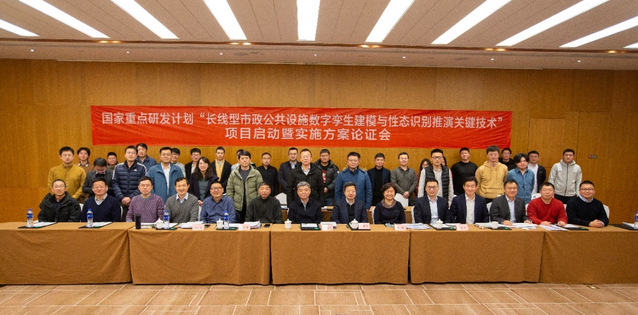
On March 2, 2024, the launch and implementation plan demonstration meeting of the Key Technologies for Digital Twin Modeling and Behavioral Identification of Longitudinal Urban Public Facility project under the National Key Research and Development Program Key Technologies and Equipment for Sustainable Urban Development was held in Nanjing, hosted by Professor Guo Tong from Southeast University. The meeting was conducted in a combination of online and offline formats. The research team consists of units including Southeast University, Chongqing University, Harbin Institute of Technology, China Metallurgical Architectural Research Institute Co., Ltd., Shanghai Municipal Engineering Design Research Institute (Group) Co., Ltd., Jiangnan University, Henan Polytechnic University, Huashe Design Group Co., Ltd., China 17th Metallurgical Group Co., Ltd., and China Construction Ecological Environment Group Co., Ltd.
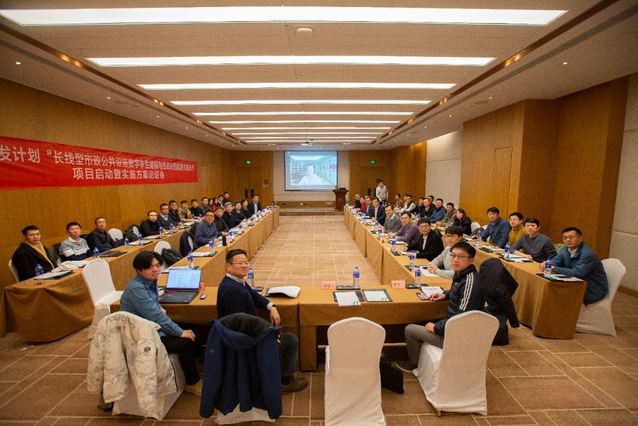
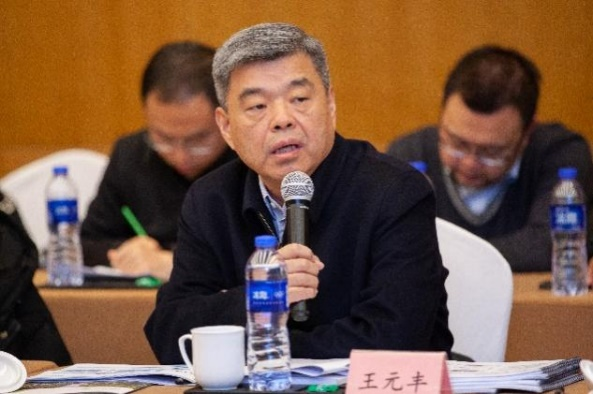
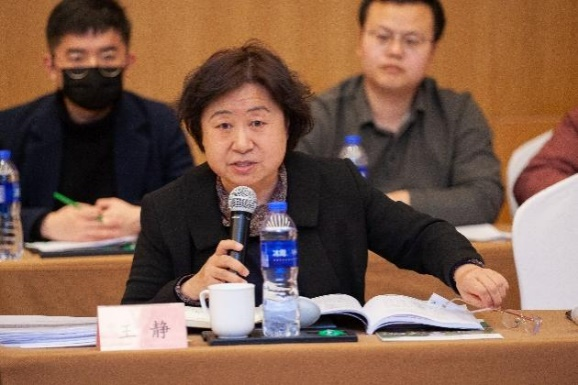
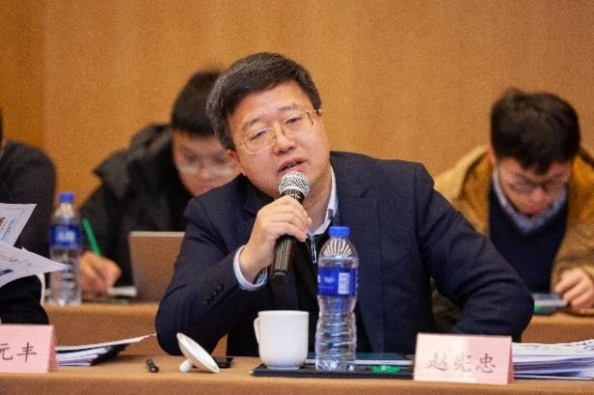
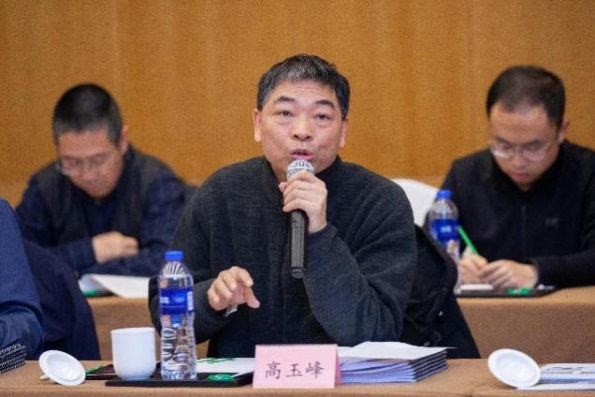
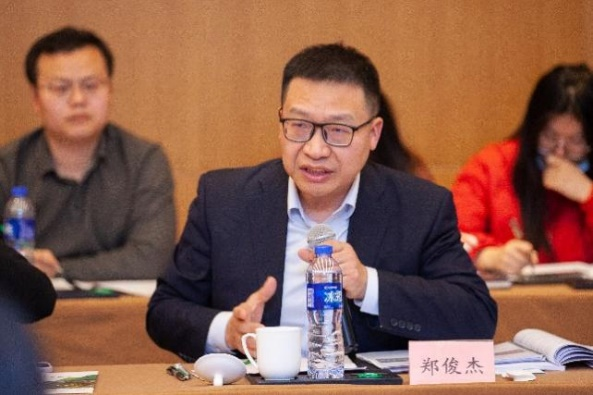
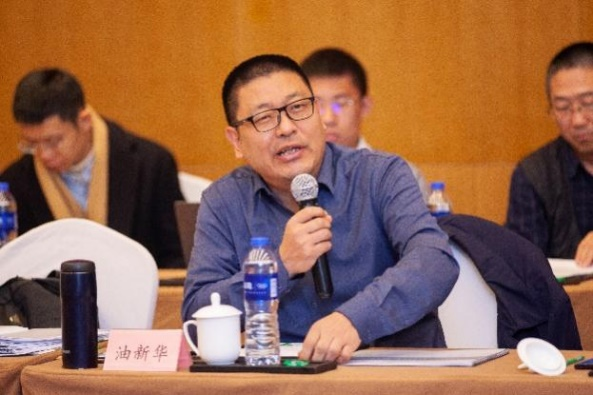
The project expert group includes academician Xu Jian from China Machinery Industry Group Co., Ltd., Professor Wang Yuanfeng from Beijing Jiaotong University (project tracking expert), Researcher Wang Jing from China Academy of Building Research (project tracking expert), Vice President Zhao Xianzhong from Tongji University, Professor Gao Yufeng from Hohai University, Professor Zheng Junjie from Wuhan University, and Professor Ouyang Xinhua from China Institute of Building Standard Design & Research (Group) Co., Ltd. Representatives from China 21st Century Agenda Management Center Yao Na, Director Ming Gang from the Standards and Quotas Department of the Ministry of Housing and Urban-Rural Development, Executive Vice President Wu Gang from Southeast University, Director Liu Wei from the Research Institute of Southeast University, Project Leader Professor Guo Tong from Southeast University, and over 50 project leaders, core members, and attendees participated in the meeting. The launch meeting and implementation plan demonstration were respectively chaired by Director Liu Wei from the Research Institute of Southeast University and Academician Xu Jian from China Machinery Industry Group Co., Ltd.
|
|
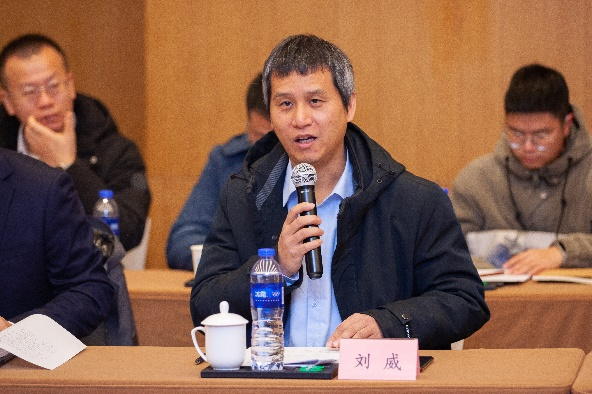
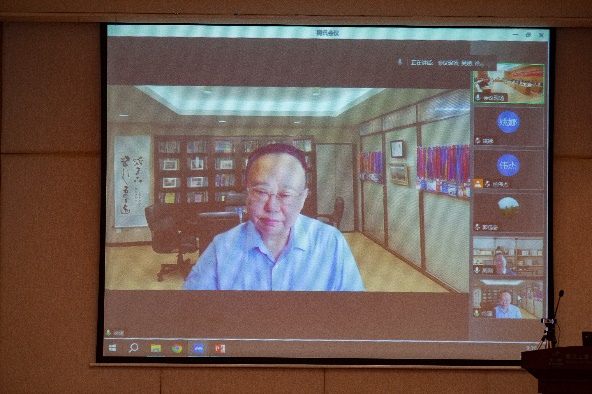
Executive Vice President of Southeast University Wu Gang delivered a speech on behalf of the leading unit, introducing the university's basic situation from the perspective of disciplinary characteristics and scientific research, while also promising to organize the project work well to ensure the smooth implementation of the project. Yao Na from the China 21st Century Agenda Management Center and Director Ming Gang from the Standards and Quotas Department of the Ministry of Housing and Urban-Rural Development delivered speeches, congratulating the project team on the approval of the National Key Research and Development Program project and introducing the precautions and relevant requirements during the project execution process. Project leader Professor Guo Tong detailed the overall objectives, task arrangements, and implementation plan of the project.
Subsequently, Professor Liu Jiepeng from Chongqing University, Professor Guo Anxin from Harbin Institute of Technology, Professor Feng Dongming from Southeast University, Researcher Wang Xiaofeng from China Metallurgical Architectural Research Institute Co., Ltd., and Deputy Chief Engineer Ji Yonghong from Shanghai Municipal Engineering Design Research Institute (Group) Co., Ltd. respectively reported in detail on the implementation plans of their research topics.
|
|
|
|
|
|
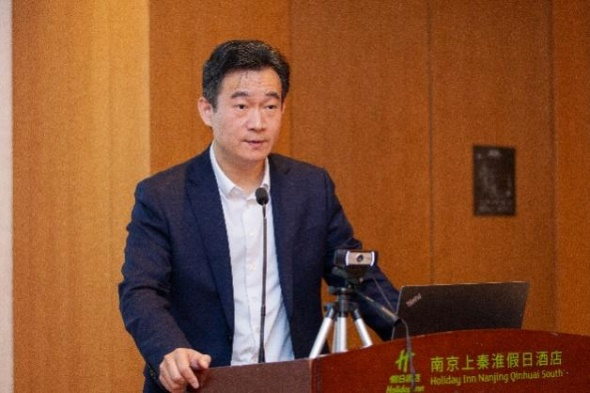
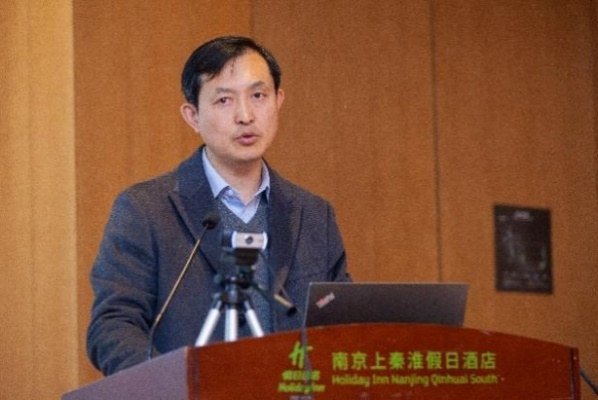
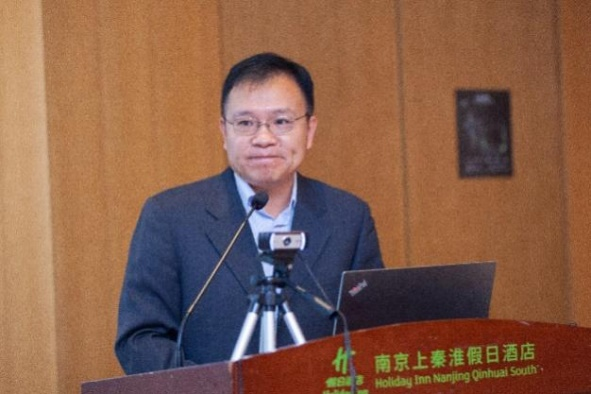
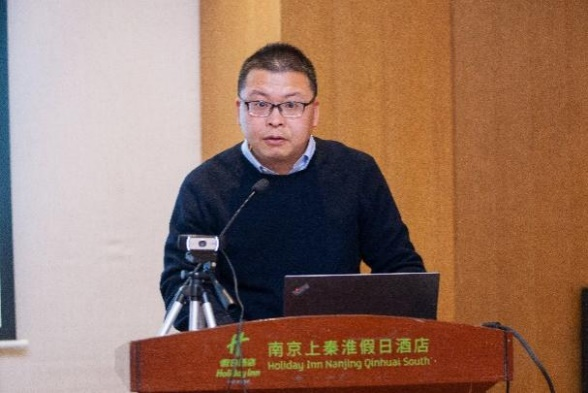
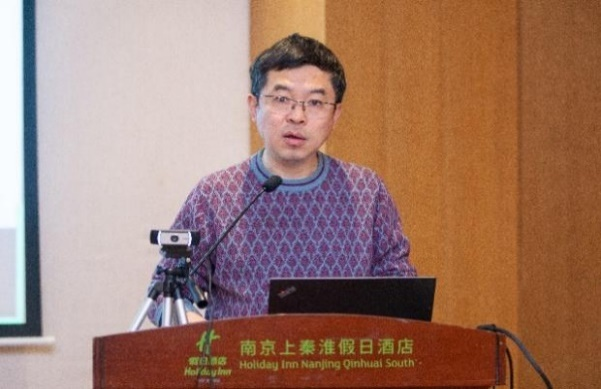
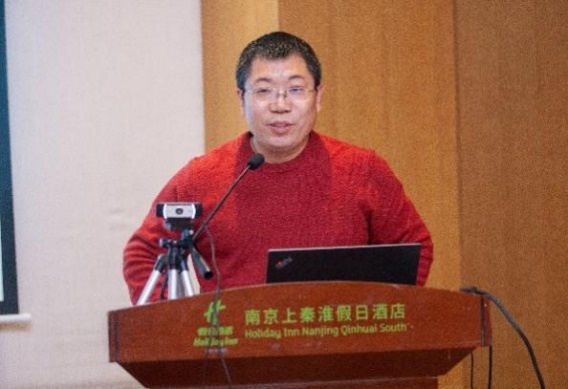
The attending experts attentively reviewed the project implementation plan, acknowledging that the project addresses the national strategic development needs. They noted that the application of digital twin technology in longitudinal urban public facilities aligns with the direction of sustainable urban development and recognized the innovative, forward-looking, and practical nature of the topic. The experts highly praised the project implementation plan and provided constructive suggestions and recommendations regarding its specific content. After discussion among the expert group, they formed an evaluation opinion, agreeing that the project objectives and division of labor are clear, the implementation plan is feasible, the technical route and schedule arrangement are reasonable, and unanimously approved the implementation plan demonstration.
|
|
|
|
|
|
This project aims to address the current issues in the operation and maintenance of longitudinal urban public facilities by developing technology and platforms for the informatization, digitalization, and intelligence of such facilities. The holding of this meeting marks the official launch of the National Key Research and Development Program project Key Technologies for Digital Twin Modeling and Behavioral Identification of Longitudinal Urban Public Facility, laying a solid foundation for the project implementation and promotion.