Recently, Professor Shu Ganping from our School of Civil Engineering led the steel structure team in successfully completing the key technical experimental research for the national key project—the Fengcheng to Meili 500 kV Yangtze River Mega-Span Project. This accomplishment provides robust technical support for the design and construction of the project. The mega-span project, the sixth high-grade power transmission channel crossing the Yangtze River within Jiangsu province as part of the national key planning and construction, features towers with a total height of 385 meters, making it the world's tallest upon completion (Figure 1). It stands as the largest-scale and most technically challenging cross-river interconnection transmission and transformation project in the history of China's power construction. Upon completion, the project will significantly enhance the power transmission capacity across the river, holding immense significance for strengthening and optimizing the power grid in the eastern part of southern Jiangsu, as well as improving the reliability of the power grid operation.
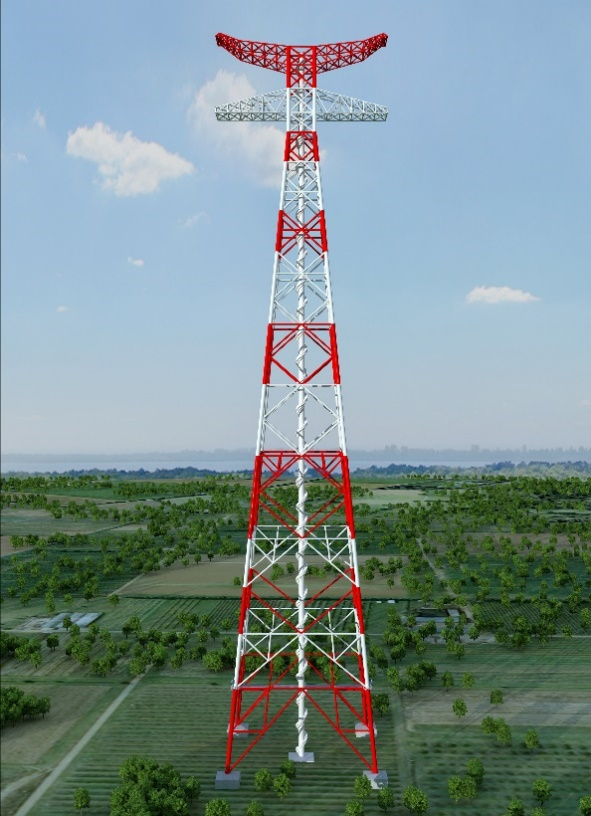
Fig 1 Fengcheng to Meili 500 kV Yangtze River Mega-Span Tower: 385m Tower Illustration
To meet the demands for high load-bearing capacity, stiffness, and ductility of the Yangtze River Mega-Span Tower's main components, our team introduced an innovative composite element – the ring-shaped steel-steel pipe concrete composite component, depicted in Figure 2. This design maximizes structural efficiency by utilizing the dual constraints of the external steel pipe and internal ring-shaped steel on the core concrete. Addressing challenges at the connection point between the crossarm and main materials of the mega-span tower—complex geometry, numerous member intersections, special load conditions, high welding process requirements, and significant post-processing difficulties—the team pioneered the use of cast steel nodes for critical connections, as illustrated in Figure 3. After rigorous technical demonstrations and detailed computational analyses, our team conducted efficient and comprehensive experimental research on these key technologies.
Despite facing the challenges of the summer heat and stringent epidemic prevention measures, the team, led by Professor Shu Ganping, demonstrated resilience, unity, and cooperation to successfully complete the experiments in just over two months, earning high praise from the construction and design units.
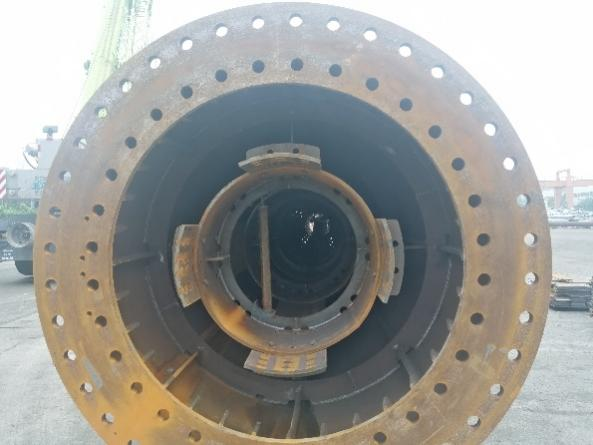
Fig 2 Ring-Shaped Steel-Steel Pipe Concrete Tower Columns
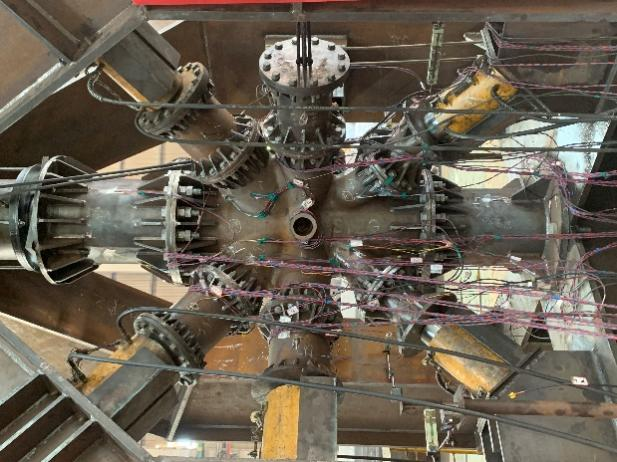
Fig 3 Complex Cast Steel Nodes
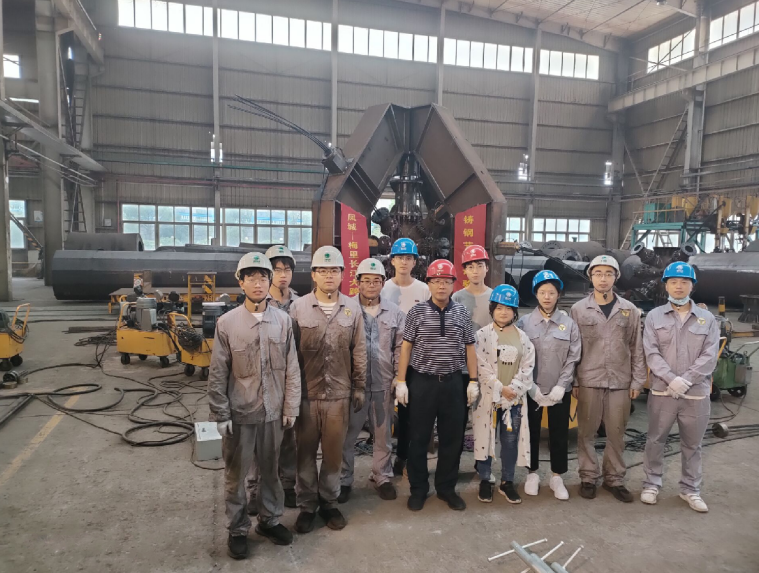
Fig 4 Experimental Site